

FAQ
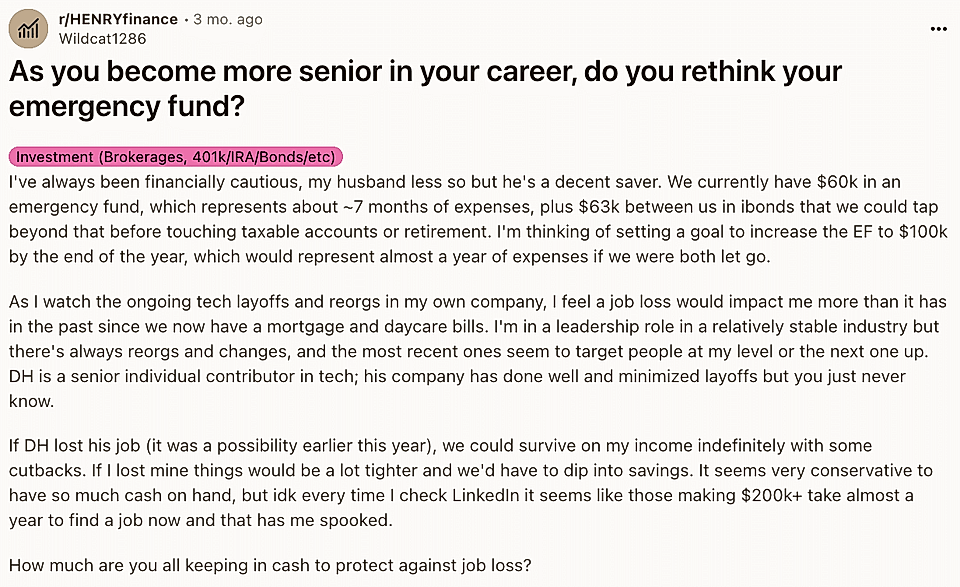
How much emergency fund should a high earner keep?
It depends on your burn rate and job replacement timeline. Many high earners use 9–12 months as a baseline, then scale up (sometimes 18–36 months) for niche roles, high fixed expenses, or higher perceived job volatility.
Should an emergency fund be invested?
An emergency fund should be liquid and stable. That often means a blend of cash-like vehicles (HYSAs, money markets, short-term Treasuries) rather than volatile assets that could force you to sell at a loss during a downturn.
Do I really need to worry about FDIC limits?
Yes, especially if you keep large balances in savings. FDIC coverage typically protects up to $250,000 per depositor per insured bank, per ownership category. Splitting across institutions can help keep balances covered.
What else counts as part of my “safety net” besides cash?
Severance, unemployment benefits, a spouse’s income, taxable brokerage liquidity, and (in some cases) portfolio lines of credit can all reduce the amount of pure cash you need—but each comes with tradeoffs and should be planned intentionally.
How often should I revisit my emergency fund plan?
At least annually, and anytime your fixed expenses, family obligations, or compensation structure changes. Treat it like risk management, not a one-time task.