
FAQ
Are ISOs always better than RSUs?
No. ISOs can be more tax-efficient under the right conditions, but they can also require cash, create AMT exposure, and increase concentration risk. RSUs are simpler and deliver value at vesting, which can be easier to plan around. The “best” answer depends on your liquidity, time horizon, and ability to manage risk.
Do RSUs get taxed twice?
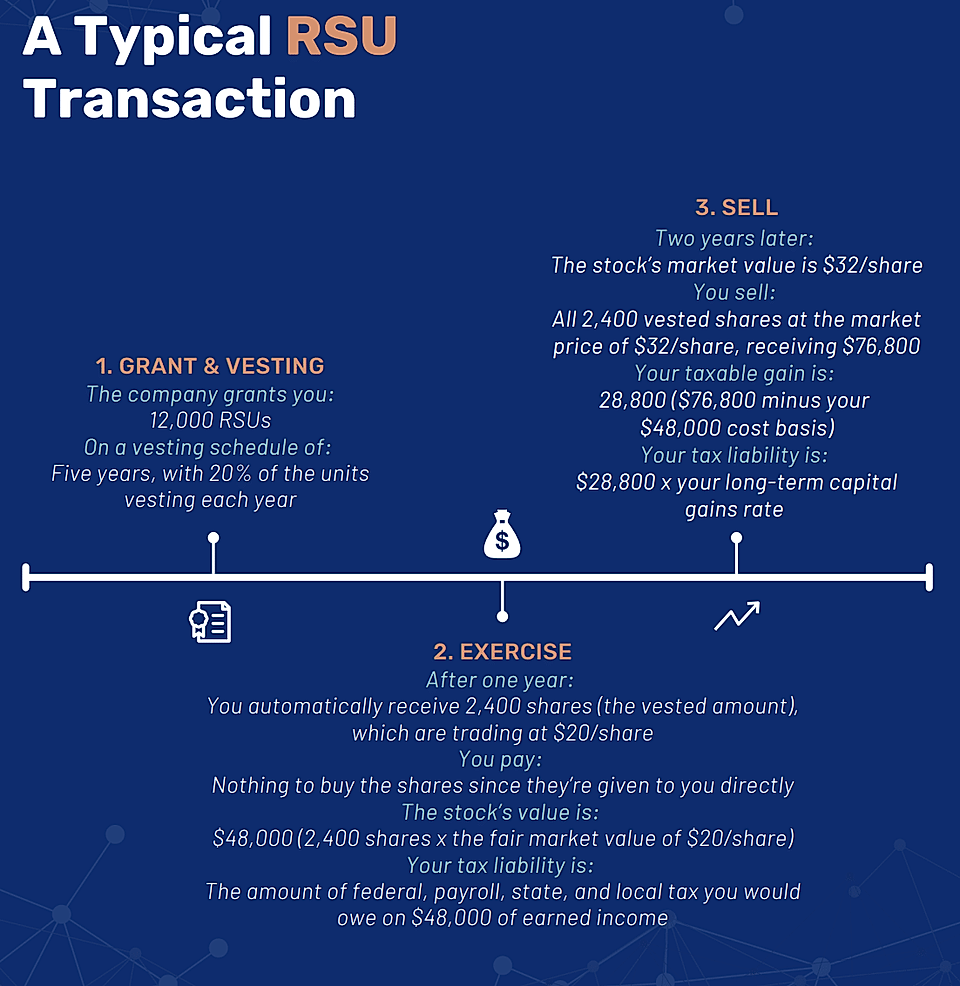
RSUs can feel like they are taxed twice, but it is usually two different tax events. The value at vesting is typically treated as ordinary income. Then, when you sell, any change in price after vesting is capital gain or loss.
What is the AMT bargain element for ISOs?
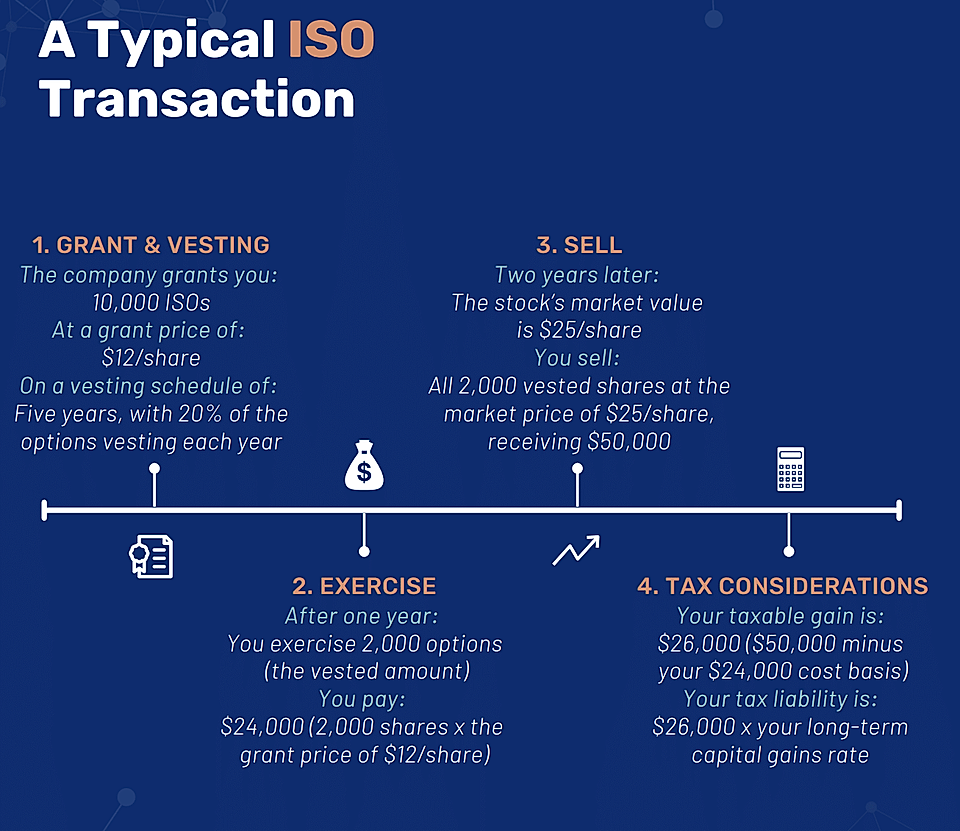
The bargain element is generally the spread between the fair market value at exercise and your strike price. That spread may be included in AMT calculations even if you do not sell shares, which is why ISO planning should be connected to liquidity planning.
When should I exercise ISOs?
It depends. Exercise decisions should consider expiration windows, AMT exposure, your ability to hold for a qualifying disposition, concentration risk, and the company’s liquidity outlook. Many high earners benefit from modeling multiple exercise amounts instead of treating it as an all-or-nothing decision.
Why is my RSU withholding often not enough?
Because withholding is often a default approach that may not match your marginal tax rate once salary, bonus, and equity stack together. If you consistently owe at tax time, you may need a quarterly tax reserve system or adjusted withholding. Your CPA can help confirm the right approach for your facts.
What should I track for taxes (forms and numbers)?
Track vesting dates and values for RSUs, and strike price, exercise dates, and fair market value at exercise for ISOs. Also keep the brokerage statements that support cost basis reporting. Documentation matters because equity compensation is easy to misreport if the forms are incomplete or the basis is wrong.