

TL;DR Answer Box
FIRE (Financial Independence, Retire Early) is a framework for making work optional by increasing your savings rate, investing in low-cost diversified assets, and building a portfolio large enough to cover your lifestyle. Your FIRE number is often estimated as 25× annual spending (the “4% rule” framework). You don’t have to retire at 40 to benefit—FIRE is ultimately about freedom, resilience, and choice.
Last updated: January 26, 2026
Introduction
Most people spend 40+ years grinding through a career, hoping to enjoy retirement in their 60s. But what if you could flip that script—and make work optional decades earlier?
That’s the promise of FIRE: Financial Independence, Retire Early. It’s not about retiring at 35 to sip margaritas (unless that’s your thing). It’s about gaining control over your time, income, and future.
In this post, we’ll break down what FIRE is, how it works, and how you can apply it—even if you’re not planning to fully retire early.
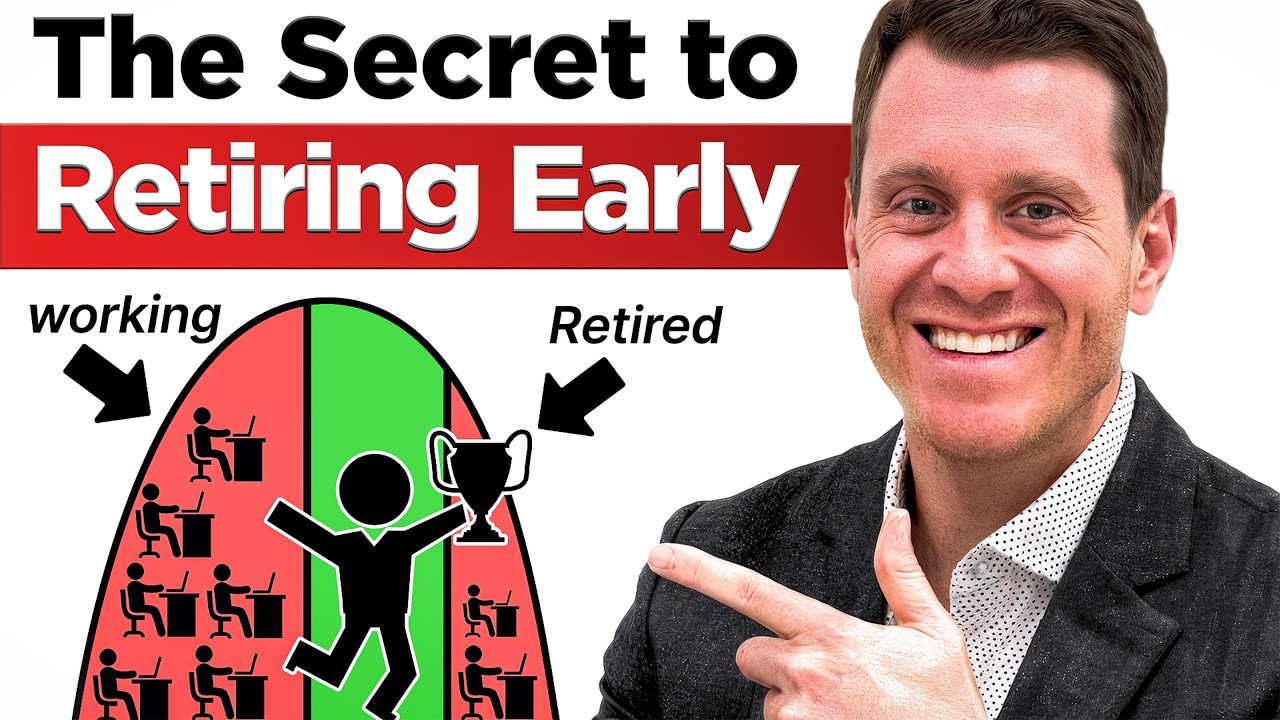
Watch Our Video Guide Below
If you’re a visual learner, check out our YouTube walkthrough where we break down each step of the FIRE process, share real-life examples, and help you calculate your own FIRE number.
What Is FIRE (Financial Independence, Retire Early)?
FIRE is a movement centered on one idea: designing your life around freedom instead of paychecks.
- Save more
- Spend less (intentionally)
- Invest smart
- Reach a point where your investments cover your living expenses
It stems from the belief that every dollar you spend is time traded from your life. The more money you keep and grow, the faster you reclaim that time.
The Core Principles Behind FIRE
1) High Savings Rate
FIRE followers often save 50–75% of their income. While that may not be realistic for everyone, the takeaway is clear: the more you save, the faster you reach financial independence.
This requires aligning spending with values, limiting lifestyle inflation, and maximizing surplus income.
2) Smart, Low-Cost Investing
Most FIRE enthusiasts use simple, scalable strategies:
- Low-cost index funds (e.g., S&P 500 ETFs)
- Tax-advantaged accounts: 401(k), IRA, HSA
- Global diversification over stock-picking
Historically, these approaches often target long-term compounding through broad market exposure and low fees.
3) Defining Your FIRE Number
Your FIRE number is commonly estimated as:
FIRE number = 25 × your annual expenses
Why 25? It’s based on the 4% rule concept: the idea that you can withdraw ~4% per year from a diversified portfolio and potentially sustain it over long periods. Some early retirees use 3%–3.5% for more margin, especially with longer retirements or higher uncertainty.
Examples
- $50,000 annual spending → $1.25M FIRE number
- $100,000 annual spending → $2.5M FIRE number
The Different Types of FIRE
Not all FIRE journeys look the same. Here are three common variations:
Fat FIRE
High-income earners who want financial freedom without sacrificing lifestyle. This requires larger savings and a bigger portfolio, but supports more comfort and flexibility.
Lean FIRE
A minimalist approach with expenses as low as $25K–$40K/year. Extreme frugality can speed up the timeline, but may be harder to sustain—especially for families.
Barista FIRE
A hybrid approach that blends part-time or passion work with investment income. You leave the high-stress job, but keep some income flowing on your terms. This often pairs well with phased or hybrid retirement.
How to Prepare for Financial Independence
Here’s a step-by-step path to build your FIRE plan:
1) Build an Emergency Fund
Hold 3–6 months of expenses in cash to handle surprises without forced selling.
2) Max Out Tax-Advantaged Accounts
In 2025, common limits include:
- 401(k): up to $23,000
- IRA: up to $7,000 (+ catch-up if over 50)
3) Invest in a Globally Diversified, Low-Cost Portfolio
Stick with passive funds that minimize fees and maximize compounding. The goal is repeatability—not perfection.
4) Reassess the 4% Rule for Early Retirement
If you’re retiring decades early (or markets are unusually volatile), consider a more conservative withdrawal rate and keep flexibility in spending.
5) Avoid Lifestyle Inflation
As income rises, route more into savings—not new fixed costs. FIRE is hardest when raises silently turn into permanent lifestyle commitments.
Is FIRE Realistic for You?
Let’s be honest: FIRE isn’t for everyone in its most extreme form. If you’re raising children, caring for aging parents, or carrying major responsibilities, an aggressive savings rate may feel out of reach.
But you don’t have to retire at 40 to benefit from FIRE. Even moderate increases in saving and intentional investing can:
- Reduce financial stress
- Shorten your working years
- Create options and autonomy in midlife
- Lead to hybrid retirement or part-time flexibility
FIRE is less about early retirement and more about financial resilience and freedom.
Final Thoughts: Freedom, Not Frugality
The real value of FIRE isn’t quitting your job—it’s gaining the freedom to choose how you spend your time. Whether that means full retirement, working on your own terms, or simply having peace of mind, the FIRE framework is a powerful way to design a life around your values, not your paycheck.
CTA
If you want help calculating your FIRE number and building a plan that fits your real life (income, taxes, equity comp, and goals), book a Wealth Clarity Call.
Disclaimer
This content is for educational purposes only and is not tax, legal, or investment advice. Investing involves risk, including the possible loss of principal. Withdrawal rate strategies (including the “4% rule”) are frameworks, not guarantees. Consult your professional advisors regarding your specific situation.